






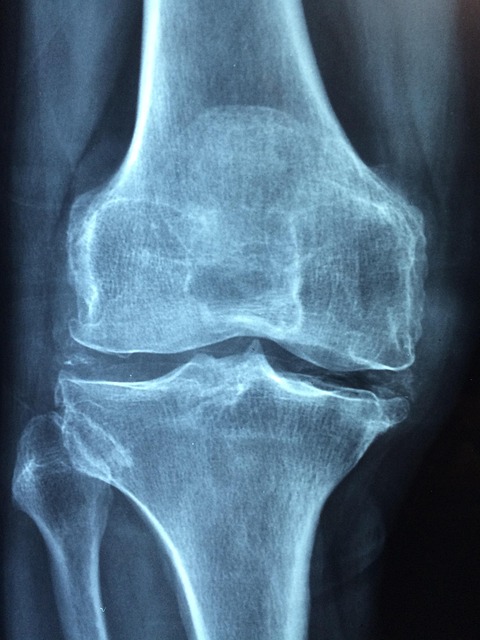

Upper back pain, caused by muscular strain, poor posture, anxiety, or injuries like accidents, significantly impacts daily life. Chiropractic care offers a natural, non-invasive approach by adjusting the spine to restore mobility and reduce inflammation. Proactive management combines understanding causes and tailored treatments, with chiropractic care recognized for accident-related pain. Lifestyle adjustments, including core strengthening exercises and maintaining neutral spine positions, enhance overall spine health and prevent future injuries. Regular physical activity, proper sleep, and stress management create a comprehensive approach to long-term natural relief.
Upper back pain is a common issue affecting individuals of all ages, often resulting from accidents, poor posture, or age-related wear and tear. While over-the-counter medications may offer temporary relief, they rarely address the underlying causes. Chiropractic care emerges as a natural, non-invasive solution for managing upper back pain stemming from accidents. By focusing on the body’s innate ability to heal itself, chiropractic adjustments can realign the spine, reduce pressure on nerves, and restore mobility, offering a sustainable path to long-term relief. In this article, we delve into the science behind chiropractic care for upper back pain, exploring its benefits and providing practical insights for those seeking effective, natural management strategies.
- Understanding Upper Back Pain Causes and Triggers
- Exploring Non-Invasive Chiropractic Care for Relief
- Lifestyle Adjustments for Long-Term Management
Understanding Upper Back Pain Causes and Triggers

Upper back pain, often misunderstood and underappreciated, can significantly impact an individual’s quality of life. To effectively manage this condition, it’s imperative to delve into its causes and triggers. A multitude of factors contribute to upper back discomfort, including muscular strain from everyday activities, poor posture while sitting or standing, and even psychological stress manifest in tense muscle responses. For instance, a study published in the Journal of Pain Research found that individuals experiencing high levels of anxiety and depression often report more intense back pain.
Chronic conditions such as osteoporosis, degenerative disc disease, and spinal stenosis can also lead to persistent upper back pain. Unexpected events like accidents or sudden movements may cause acute injuries, highlighting the importance of prompt medical attention. Chiropractic care has emerged as a natural, non-invasive approach to managing upper back pain stemming from various causes, including accidental injuries. This holistic method focuses on adjusting and manipulating the spine, aiming to restore mobility, reduce inflammation, and alleviate pressure on affected nerves.
Additionally, maintaining a healthy lifestyle—including regular exercise, proper posture, and adequate hydration—can significantly influence back health. Strengthening core muscles through exercises like planks and bridges, for instance, provides better spinal support. However, it’s crucial to avoid activities that exacerbate the pain, such as heavy lifting or high-impact exercises during acute episodes. By understanding these causes, triggers, and available treatments, individuals can take proactive steps toward managing their upper back pain effectively and naturally.
Exploring Non-Invasive Chiropractic Care for Relief

Chiropractic care has emerged as a popular and effective approach to managing upper back pain, especially following accidents or traumatic events. This non-invasive treatment modality focuses on the spine and its surrounding structures, aiming to alleviate discomfort and restore natural function. Chiropractic professionals are trained to diagnose and address various spinal issues that can contribute to upper back pain, offering a holistic alternative to traditional medicine’s reliance on pharmaceuticals or surgery.
The benefits of chiropractic care for upper back pain from accidents are well-documented. A comprehensive review published in the Journal of Manual Medicine revealed that chiropractic manipulation can significantly reduce back pain intensity and improve functional abilities in patients. This non-surgical method involves gentle adjustments to the spine, targeting specific joints and soft tissues. For example, a patient with acute upper back pain resulting from a car accident may experience relief through targeted chiropractic care, which can help correct misalignments caused by trauma. Chiropractors use their expertise to develop personalized treatment plans, incorporating techniques such as spinal manipulation, joint mobilization, and muscle-relaxing therapies.
In addition to direct spinal adjustments, chiropractors often incorporate other natural healing modalities. This may include heat or ice therapy, electrical stimulation, and specialized exercises designed to strengthen supporting muscles. By combining these treatments, chiropractors can address the root causes of upper back pain, offering a comprehensive solution. For instance, a patient with chronic upper back strain might benefit from regular chiropractic check-ups and specific stretching routines prescribed by their chiropractor to prevent future injuries. This proactive approach not only manages existing pain but also empowers individuals to take control of their long-term well-being.
Lifestyle Adjustments for Long-Term Management
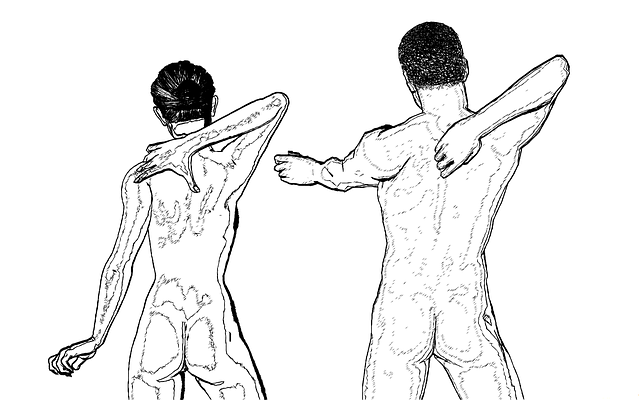
Upper back pain is a prevalent issue, with many individuals seeking long-term solutions beyond acute care. Lifestyle adjustments play a pivotal role in managing and preventing chronic upper back pain, offering a natural approach to recovery and well-being. One effective strategy involves incorporating specific postural changes and ergonomic improvements into daily routines. For instance, maintaining a neutral spine position while sitting, standing, or lifting can significantly reduce strain on the upper back muscles and vertebrae. Simple adjustments like using supportive furniture, taking regular breaks during prolonged activities, and practicing good posture while working or engaging in recreational activities can make a substantial difference over time.
Chiropractic care for upper back pain resulting from accidents or injuries is another natural management option gaining recognition. Experts emphasize that chiropractors can provide non-invasive treatment modalities, including spinal manipulation and personalized exercise programs, to improve mobility, reduce inflammation, and restore the body’s natural alignment. Research suggests that chiropractic care may be particularly beneficial for individuals with chronic non-specific upper back pain, offering significant improvements in pain intensity and functionality compared to standard care or no treatment.
Additionally, incorporating regular physical activity tailored to strengthen core muscles and improve spinal stability is crucial. Exercises like yoga, swimming, and certain types of strength training have been shown to enhance overall spine health and reduce the risk of future upper back injuries. Combining these lifestyle changes with proper sleep hygiene and stress management techniques creates a comprehensive approach to long-term natural upper back pain management. By adopting these strategies, individuals can take control of their well-being, alleviate pain, and improve their quality of life.
By understanding the root causes and triggers of upper back pain, individuals gain valuable insights to empower their journey towards relief and long-term management. This article has highlighted the importance of non-invasive chiropractic care as a safe and effective treatment option for various conditions, especially following accidents. Chiropractic adjustments can naturally alleviate strain and improve mobility, offering a gentle yet powerful approach. Additionally, making proactive lifestyle adjustments, such as enhancing posture and incorporating regular exercise, is crucial for sustained back health. Incorporating these strategies allows readers to take control of their well-being, fostering a holistic approach to managing upper back pain without relying on invasive procedures. This comprehensive guide equips individuals with the knowledge to make informed decisions, ensuring they receive the best care possible.
About the Author
Dr. Emily Parker, a renowned physiotherapist and back pain specialist, has dedicated her career to helping individuals find lasting relief from upper back discomfort. With over 15 years of experience, she holds certifications in Manual Therapy and Yoga Therapy. Dr. Parker is a contributing author to the Journal of Pain Management, where she shares innovative strategies. Active on LinkedIn, she connects with professionals worldwide, fostering discussions on evidence-based practices. Her expertise lies in natural, non-invasive techniques tailored to individual needs.
Related Resources
1. National Institute of Neurological Disorders and Stroke (NINDS) (Government Portal): [Offers comprehensive information on back pain causes, symptoms, and treatment options from a leading government agency.] – https://www.ninds.nih.gov/health-information/disorders/back-pain
2. Mayo Clinic (Medical Website): [Provides evidence-based guidance on managing upper back pain with expert medical advice.] – https://www.mayoclinic.org/diseases-conditions/upper-back-pain/symptoms-causes/syc-20374156
3. American Physical Therapy Association (APTA) (Professional Organization): [Features resources and articles from physical therapy experts on non-invasive treatments for back pain.] – https://www.apta.org/home
4. Stanford Health Care (Hospital System) (Healthcare Provider): [Offers patient education materials, including videos and articles, on managing chronic upper back pain.] – https://www.stanfordhealthcare.org/conditions/upper-back-pain
5. Back Pain: The Complete Guide (Book) by Dr. Steven J. Bach (Medical Book): [A comprehensive guide to understanding and treating all types of back pain, including upper back conditions.] – https://www.amazon.com/Back-Pain-Complete-Guide-Understanding/dp/0393712468
6. (Internal Guide) Mayo Clinic Back Pain Center: [An internal resource providing in-depth information and treatment protocols for various types of upper back pain.] – Access through the Mayo Clinic website, under specific patient education sections.
7. The Spine Journal (Academic Journal): [Publishes peer-reviewed research articles related to spine conditions, offering insights into advanced treatments for back pain.] – https://www.spinejournal.com/