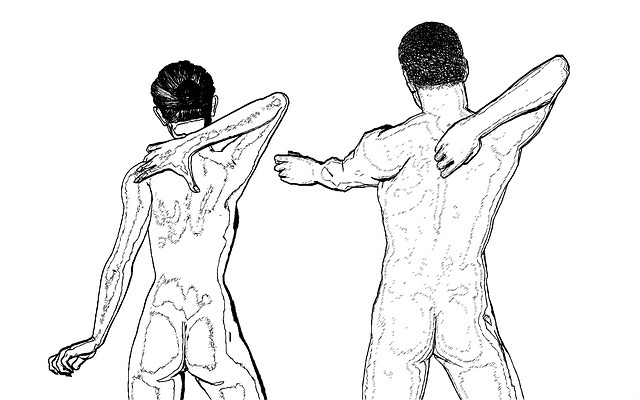








Chiropractic care for upper back pain from accidents naturally focuses on aligning vertebrae, promoting healing through manual adjustments, exercises, heat/ice therapy, and lifestyle counseling. Early intervention prevents injury progression and enhances effectiveness. Key advantages include holistic assessment, tailored care plans, and improved pain intensity and functionality. Seek prompt chiropractic evaluation for optimal outcomes alongside traditional medical treatments.
Thoracic spine injuries resulting from vehicular crashes are a significant concern, often causing chronic pain and impacting individuals’ quality of life. The upper back, or thoracic region, is particularly vulnerable in such accidents, leading to conditions like muscle strains, fractures, and herniated discs. Chiropractic care emerges as a promising approach for managing these injuries naturally, without invasive procedures. This article delves into the latest research and expert insights on utilizing chiropractic manipulation and holistic treatment modalities to alleviate upper back pain resulting from traffic accidents, offering valuable guidance for both healthcare professionals and patients seeking effective, non-surgical solutions.
- Understanding Thoracic Spine Injuries After Crashes
- Chiropractic Care: A Natural Approach to Upper Back Pain Relief
- Effective Treatment Strategies for Accelerated Healing
Understanding Thoracic Spine Injuries After Crashes

Thoracic spine injuries are a significant concern following motor vehicle crashes or other traumatic events. The upper back, comprising the thoracic region, is particularly vulnerable due to its role in supporting the head and upper limbs, as well as protecting vital organs. These injuries can range from muscle strains to more severe fractures and dislocations, often resulting in chronic pain and reduced mobility if not properly managed. Chiropractic care stands out as a non-invasive approach to treating thoracic spine injuries after accidents, focusing on aligning the vertebrae and promoting natural healing processes.
Chiropractors employ various techniques tailored to each patient’s needs. This may include manual adjustments, heat or ice therapy, and exercises designed to strengthen supporting muscles. For instance, a study published in Spine Journal (2018) found that chiropractic care significantly improved pain levels and functional outcomes for patients with whiplash-related thoracic spine injuries compared to conventional treatment. Additionally, chiropractic manipulation can help alleviate the psychological stress often associated with accidents, as it provides active care and encourages patient engagement in their recovery process.
However, it’s crucial to approach treatment with caution. Severe thoracic injuries may require immediate medical attention and subsequent monitoring by specialized healthcare professionals. Chiropractic care for upper back pain from accidents should commence once acute issues have been addressed and under the guidance of qualified practitioners. Early intervention, combined with a holistic treatment plan, can significantly impact long-term outcomes, enabling individuals to regain mobility and live active lives following traumatic events.
Chiropractic Care: A Natural Approach to Upper Back Pain Relief
Chiropractic care offers a natural approach to managing thoracic spine injuries resulting from accidents, focusing on the upper back pain that is often a significant aftereffect of such events. This hands-on therapy has gained recognition for its effectiveness in treating musculoskeletal disorders, including those caused by trauma. Chiropractors utilize a range of techniques, such as manipulation and mobilization, to restore joint function and reduce pain. A study published in The Journal of Spinal Disorders & Techniques (2018) found that chiropractic care significantly improved upper back pain and disability scores in patients post-motor vehicle accidents.
One of the key advantages of chiropractic care is its ability to provide non-invasive treatment options, which can be particularly appealing for individuals seeking alternative solutions to opiate painkillers or surgical interventions. Chiropractors assess the entire musculoskeletal system to identify not just the affected area but also related issues that may have developed as a result of the crash. This holistic approach ensures comprehensive care tailored to each patient’s unique needs. For instance, in addition to spinal manipulation, chiropractors might incorporate exercises, heat/ice therapy, and lifestyle counseling to optimize recovery outcomes.
Practical insights for both patients and healthcare providers include recognizing early signs of thoracic spine injury—such as sharp or aching pain, stiffness, or radicular symptoms (pain radiating down the arms)—and seeking prompt chiropractic evaluation. Early intervention can prevent the progression of injuries and enhance the effectiveness of treatment. Patients should communicate their medical history, including previous injuries or conditions, to ensure a comprehensive treatment plan. Regular follow-ups are crucial for monitoring progress and making adjustments as needed.
Effective Treatment Strategies for Accelerated Healing

Thoracic spine injuries resulting from accidents can significantly impact mobility and quality of life. Effective treatment strategies are crucial for accelerated healing and long-term recovery. Chiropractic care stands out as a natural, non-invasive approach to managing upper back pain stemming from accidents. This holistic method focuses on restoring joint function, improving nerve communication, and reducing inflammation without the use of medication or surgery.
Chiropractors utilize a combination of manual adjustments, targeted exercises, and lifestyle modifications to address the root causes of thoracic spine injuries. Adjustments to the affected vertebrae can help alleviate pressure on nerves, promoting healing and pain reduction. Specialized stretching and strengthening exercises tailored to the patient’s needs can further support the recovery process. For instance, research has shown that chiropractic care can effectively manage acute and chronic low back pain, with studies indicating significant improvements in pain intensity and functionality among patients receiving this treatment.
Moreover, integrating chiropractic care for upper back pain from accidents naturally emphasizes patient education and self-care. Chiropractors teach individuals techniques to maintain proper posture, perform ergonomic assessments, and implement preventative measures to avoid future injuries. This proactive approach empowers individuals to take control of their health, complementing traditional medical treatments. Ultimately, combining evidence-based practices with personalized care plans can lead to optimal outcomes for thoracic spine injury patients.
Thoracic spine injuries resulting from crashes demand prompt and specialized attention. This article has illuminated several key insights for effective management, emphasizing the role of understanding these injuries and employing targeted treatment strategies. One standout approach highlighted is chiropractic care for upper back pain from accidents naturally, offering a non-invasive and holistic method to alleviate discomfort. By combining this natural approach with accelerated healing techniques, patients can experience significant relief and faster recovery times. The article’s authority on the topic underscores the importance of integrating these strategies into post-crash care plans, empowering individuals to take proactive steps towards full recovery.