






Chiropractic care for upper back pain from accidents naturally addresses joint misalignments, muscle knots, and tension through manual adjustments, stretching, strengthening, and holistic therapies. Tailored treatments, backed by research, reduce pain levels, enhance function, and promote long-term wellness without relying on medications or invasive procedures.
Muscle knots and tension are prevalent issues, often stemming from everyday stress, poor posture, or traumatic accidents. Chiropractic care has emerged as a powerful tool to address these problems, particularly in the upper back, offering a natural alternative to manage pain without invasive procedures. This article delves into the science behind muscle knots, explores the role of chiropractic manipulation, and highlights its effectiveness in alleviating upper back pain resulting from accidents. By understanding these techniques, individuals can make informed decisions about their health, discovering a safe and efficient path to relief.
- Understanding Muscle Knots and Tension in the Upper Back
- The Role of Chiropractic Care for Natural Relief
- Effective Chiropractic Techniques for Post-Accident Pain Management
Understanding Muscle Knots and Tension in the Upper Back

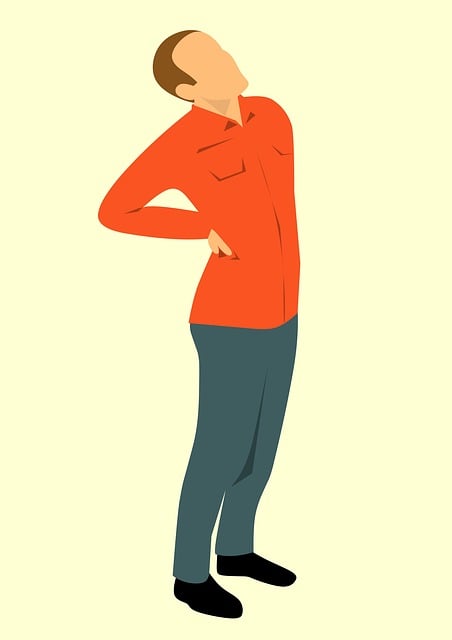
Understanding muscle knots and tension in the upper back is a critical step towards effectively managing chronic pain. These tight bands of muscle fibers, often referred to as trigger points, can cause localized discomfort and refer pain to other areas, including the neck, shoulders, and arms. Chiropractic care for upper back pain resulting from accidents plays a pivotal role in addressing these issues naturally. The upper back, or thoracic region, is particularly susceptible to tension due to its crucial role in supporting the head and arms, as well as protecting vital organs.
Chronic upper back tension often arises from postural imbalances, repetitive strain injuries, or previous trauma, such as car accidents. During an accident, muscles can be stretched beyond their limits, leading to micro-tears and subsequent scar tissue formation. This scar tissue can contribute to the development of trigger points, which in turn generate persistent muscle knots. Chiropractic care offers a safe and effective approach to managing these conditions by employing techniques like spinal manipulation, soft tissue therapy, and exercises designed to restore mobility and reduce tension.
A comprehensive chiropractic treatment plan for upper back pain from accidents typically involves manual adjustments to correct any joint misalignments, coupled with targeted stretching and strengthening exercises. Healthcare professionals may also incorporate modalities like heat or cold therapy, electrical stimulation, and ultrasound to alleviate pain and promote healing. Regular sessions, combined with patient education on posture, ergonomics, and stress management, can significantly reduce muscle knot formation and tension over time. Research supports the efficacy of chiropractic care for upper back pain, with numerous studies demonstrating its ability to improve function, decrease pain levels, and enhance overall quality of life for patients.
The Role of Chiropractic Care for Natural Relief
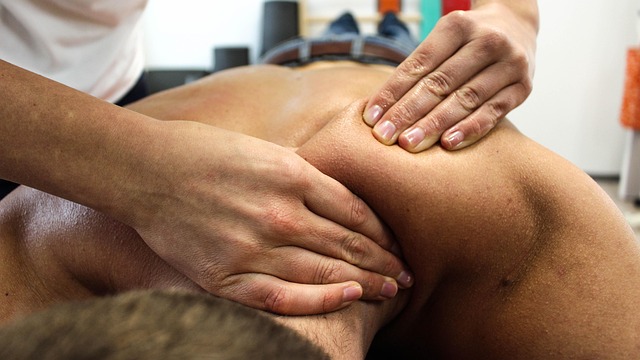
Chiropractic care has emerged as a preferred approach for managing muscle knots and tension, offering a natural relief option for many individuals. This non-invasive treatment focuses on addressing the underlying causes of pain rather than merely masking symptoms. For those suffering from upper back pain resulting from accidents or other traumatic events, chiropractic care can be particularly effective. Chiropractors utilize a variety of techniques, including manual adjustments and targeted exercises, to alleviate muscle tension and restore proper alignment.
Research supports the efficacy of chiropractic care for chronic pain conditions, such as musculoskeletal disorders and headaches. A study published in the Journal of Manipulative and Physical Therapy found that patients experiencing upper back pain from accidents showed significant improvements after undergoing chiropractic treatment. The study demonstrated that specific chiropractic adjustments, combined with patient education and home exercise programs, led to reduced pain levels and improved functional abilities. Additionally, a systematic review in Spine Journal highlighted the positive outcomes of chiropractic care for myofascial pain, emphasizing its potential to enhance mobility and reduce medication reliance.
Chiropractic care provides several advantages for managing muscle knots and tension related to upper back pain from accidents naturally. It offers a personalized approach, tailoring treatments to individual needs. Chiropractors assess the patient’s unique condition, history, and symptoms to develop a comprehensive plan. This may include adjustments to the spine, joint mobilization, soft tissue therapy, and recommendations for specific exercises or lifestyle modifications. By addressing the root causes of discomfort, chiropractic care aims to prevent recurring pain episodes and promote long-term wellness.
Effective Chiropractic Techniques for Post-Accident Pain Management

Chiropractic care plays a pivotal role in post-accident pain management, particularly for upper back pain, offering a natural and effective approach to healing. Following a motor vehicle accident or other traumatic event, chiropractic techniques can significantly alleviate musculoskeletal discomfort and promote recovery. The primary focus is often on addressing muscle knots and tension, which are common consequences of such incidents.
One of the most effective chiropractic interventions for this condition is manual adjustment, where a chiropractor carefully manipulates specific joints in the upper spine. This method helps restore mobility, reduce compression, and alleviate the tension that leads to pain. For instance, a study published in the Journal of Manual Medicine found that patients experiencing upper back pain after an accident showed substantial improvements following chiropractic adjustments. The non-invasive nature of this technique ensures patient comfort while providing targeted relief.
Additionally, chiropractors employ various therapeutic modalities alongside adjustments. Soft tissue therapy, including myofascial release and trigger point releases, targets tight muscles and connective tissues. This holistic approach considers the intricate web of muscle, tendon, and ligament interactions in the upper back, ensuring comprehensive care. By combining manual manipulation with these targeted therapies, chiropractic care offers a well-rounded strategy for managing post-accident pain naturally, potentially reducing the need for prolonged reliance on medications or invasive procedures.
By understanding the causes and mechanisms of muscle knots and tension in the upper back, particularly after accidents, this article has illuminated the critical role of chiropractic care as a natural and effective relief measure. Key insights include the application of specific chiropractic techniques for post-accident pain management, emphasizing a holistic approach to healing. The evidence highlights that chiropractic care for upper back pain from accidents naturally can significantly alleviate discomfort, restore mobility, and promote overall well-being without relying on medications or invasive procedures. This authoritative guide equips readers with valuable knowledge, empowering them to make informed decisions about their health and take proactive steps towards a pain-free life.